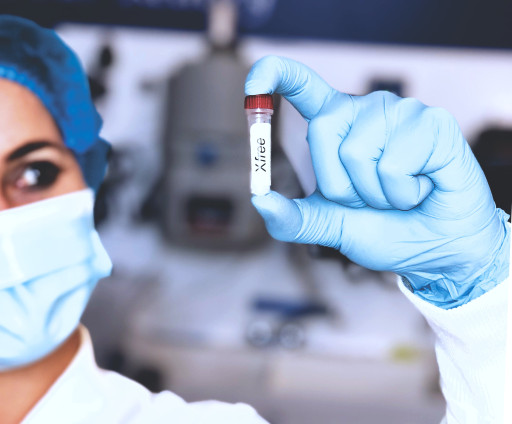
A person’s face reflects many things, from genetics and lifestyle to the natural effects of aging. Over time, changes in facial volume can alter familiar contours, making the cheeks appear flatter or the temples more hollow. Modern aesthetic medicine offers several ways to address these concerns, but each approach has different purposes and limitations. Coolaser Clinic provides information about facial fat grafting, a procedure that uses a patient’s own fat to restore volume in selected areas. Exploring the biological principles behind this technique helps explain why individual assessment and careful treatment planning are so important.
What Happens to Facial Volume as We Age?
Facial aging involves more than the development of wrinkles. Skin gradually loses some of its elasticity, while deeper tissues and fat compartments can also change in position and volume.
These processes affect different areas in different ways. The cheeks may lose fullness, the temples can become more hollow, and transitions between facial features may appear less smooth. Genetics and changes in body weight can influence these patterns as well.
Understanding these changes is important because volume loss and skin laxity are not the same concern. A treatment that adds fullness may help with selected hollows, but it cannot automatically tighten loose skin or correct every sign of aging.
This distinction helps patients explore procedures based on their actual needs rather than choosing a treatment simply because it is popular.
The Biological Principle of Fat Transfer
Facial fat grafting uses adipose tissue collected from one area of the patient’s body and transfers it to selected facial regions. The procedure generally involves harvesting fat, processing the collected material, and carefully placing it into the planned treatment areas.
The technique relies on the use of the patient’s own tissue. However, transferred fat must establish a suitable blood supply in its new location to survive. Some of the grafted tissue is naturally reabsorbed during healing, which explains why the final amount of retained volume can vary.
This biological process is one reason why practitioners cannot promise an exact result. The outcome depends on individual healing, the treatment area, surgical technique, and other patient-specific factors.
Where Can the Procedure Be Used?
The treatment plan depends on facial anatomy and the areas where volume restoration may be appropriate.
The cheeks are among the areas that may be considered because their fullness influences the proportions of the middle face. The temples can also become hollow over time, changing the appearance of the upper facial contours.
Other areas may be evaluated in selected cases, but not every hollow or wrinkle is suitable for fat transfer. The practitioner must consider nearby structures, tissue characteristics, and the potential risks of treating each region.
The objective should be to create an appropriate improvement without adding unnecessary volume. Careful placement and conservative planning are especially important when working with delicate facial anatomy.
Why Medical Assessment Comes Before Treatment
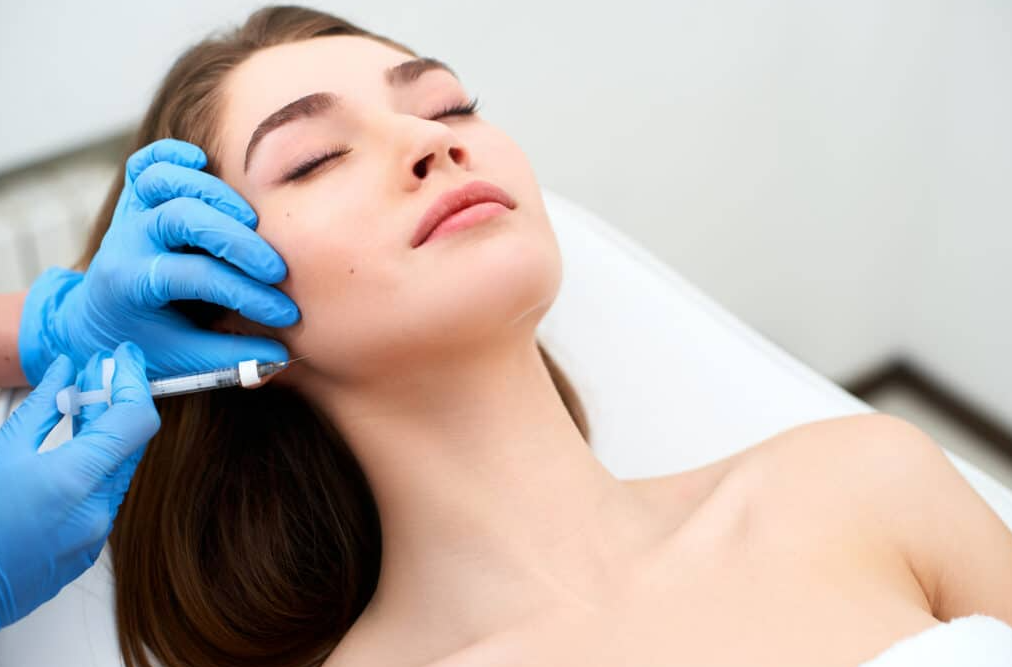
A consultation is essential because facial fat grafting is not suitable for everyone.
The practitioner should review medical history, current medications, previous cosmetic procedures, general health, and the patient’s expectations. They also need to assess whether enough donor fat is available and whether the desired change can realistically be achieved.
Some concerns may respond better to other treatments. For example, significant skin laxity or surface irregularities may require a different approach from localized volume loss.
Patients should also discuss factors that may affect healing, including smoking and certain medical conditions. Any medication changes must be guided by the prescribing healthcare professional.
A responsible assessment should explain both the potential benefits and the reasons the procedure might not be recommended.
Recovery and the Process of Healing
After treatment, patients may experience swelling, bruising, tenderness, and temporary unevenness. These effects can involve both the face and the area from which the fat was collected.
The initial appearance does not represent the final outcome. Swelling gradually decreases, and some of the transferred fat is reabsorbed as the tissue heals. The remaining volume becomes easier to evaluate over time.
Following aftercare instructions is important. Patients should clarify when they can resume exercise, how to care for the treated areas, and when follow-up appointments should take place.
Severe pain, unusual skin discoloration, vision changes, or rapidly worsening swelling require urgent medical assessment. Although serious complications are uncommon, they can occur.
Understanding the Risks and Expected Results
Like other surgical procedures, facial fat grafting carries risks. Possible complications include infection, bleeding, asymmetry, contour irregularities, fat necrosis, and changes in sensation. Rare but serious vascular complications are also possible.
Results vary because not all transferred fat survives. Some patients may retain less volume than expected, while others may require additional treatment to reach their desired appearance.
Changes in body weight can also influence facial contours after treatment. Patients should therefore ask about long-term expectations and discuss what may happen if the outcome differs from the original plan.
Before-and-after photographs can help illustrate previous cases, but they cannot guarantee a similar result. Individual anatomy and healing responses remain important factors.
Making an Informed Aesthetic Decision
Choosing a provider should involve more than reviewing promotional photographs. Patients should verify professional qualifications, ask about experience with facial fat transfer, and understand where the procedure will be performed.
A thorough consultation should cover the treatment method, anesthesia, recovery, possible complications, follow-up care, and total costs. Patients should also ask whether alternative procedures could address their concerns more appropriately.
Taking time to consider these details supports a decision based on medical suitability rather than unrealistic beauty expectations.
Final Thoughts
Facial fat grafting combines surgical technique with the body’s own healing processes to address selected areas of volume loss. Its potential results depend on anatomy, tissue survival, individual recovery, and careful treatment planning.
Understanding the science behind the procedure helps patients approach it with realistic expectations. A qualified medical professional can assess suitability, explain possible risks, and help determine whether fat transfer is an appropriate option.
For more articles about skincare, beauty, and aesthetic treatments, you can find them here.