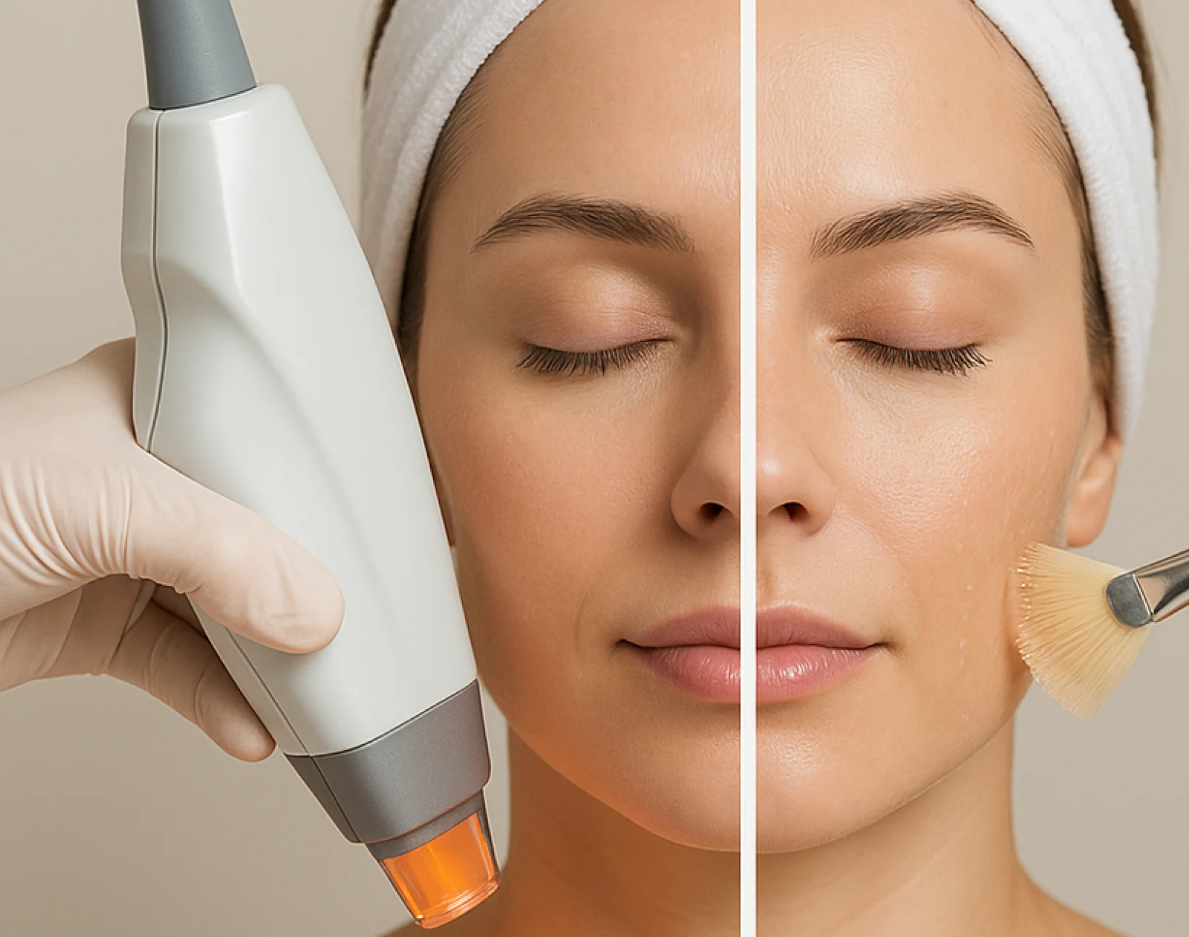
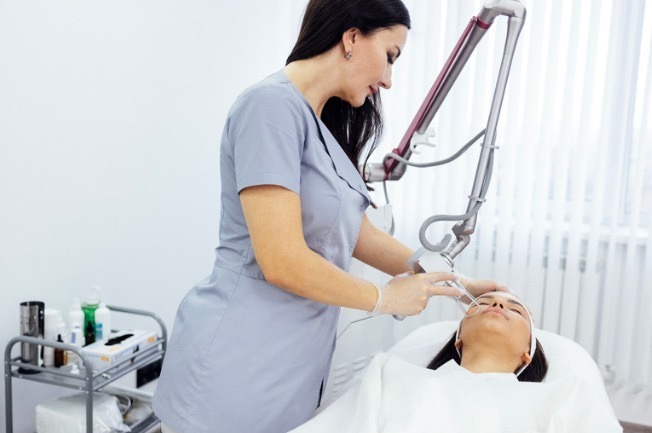
Skin can change gradually over the years. Sun exposure, acne, natural aging, dryness, and environmental factors may leave behind uneven texture, fine lines, discoloration, or visible imperfections. While daily skincare helps maintain the skin, some concerns may eventually require a more targeted approach. Facial laser resurfacing is one professional treatment option designed to work with the surface layers of the skin and encourage a smoother, more refreshed appearance. Coolaser Clinic offers aesthetic treatments for people looking for personalized solutions based on their individual skin concerns and goals.
Why Skin Texture Changes Over Time
Smooth, even skin does not remain exactly the same throughout life. The natural production of collagen and other structural proteins changes with age, while repeated exposure to sunlight can contribute to visible signs of skin damage.
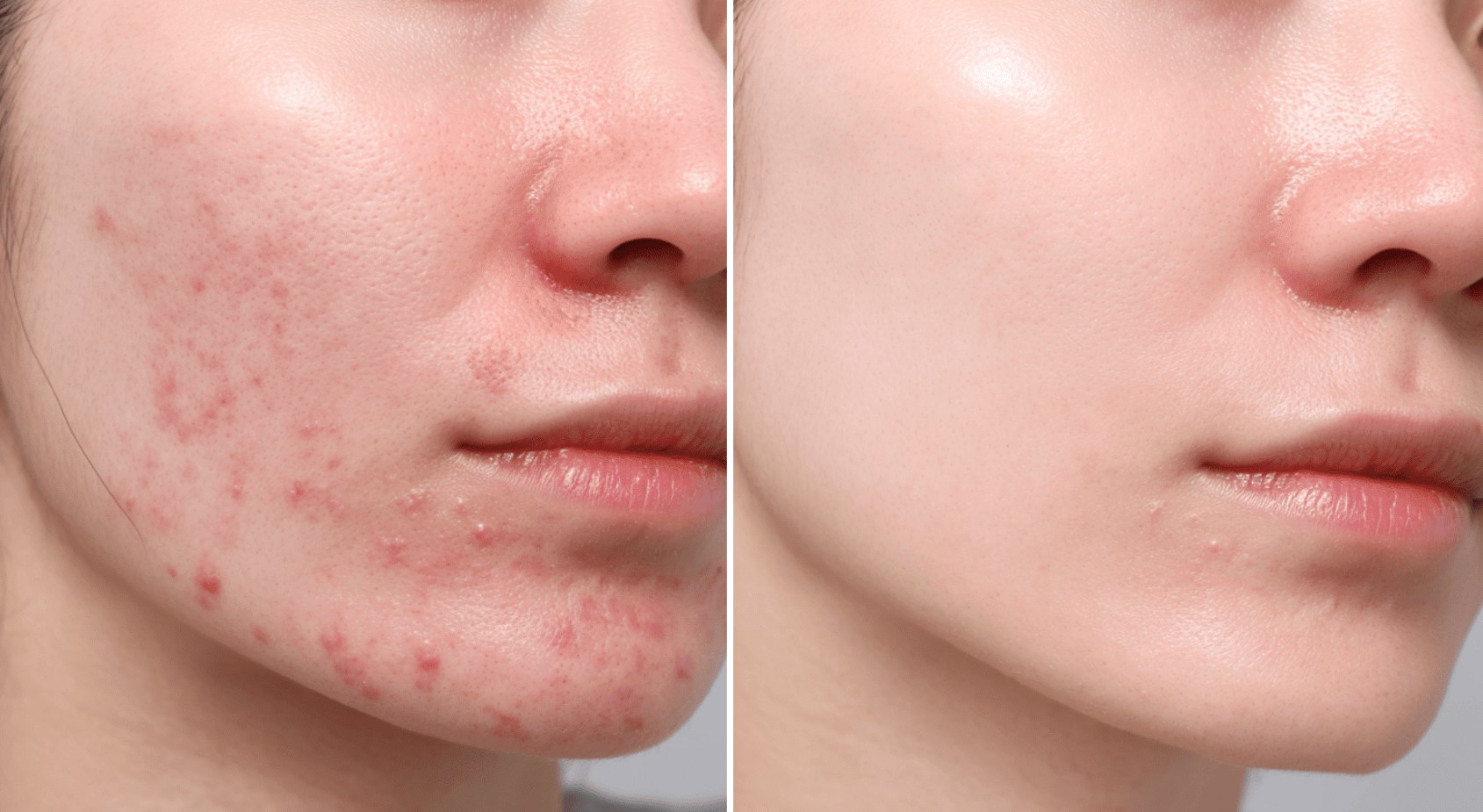
Previous acne breakouts may also leave uneven areas that remain noticeable long after the inflammation has disappeared. In addition, changes in hydration and cell turnover can make the complexion appear rougher or less uniform.
These changes are normal, but they can affect how people feel about their appearance. This is why some individuals explore professional treatments alongside their everyday skincare routines.
Which Skin Concerns May Be Addressed?
One reason people consider facial laser resurfacing is its ability to target several visible skin concerns within one treatment approach. Depending on the technology selected and the patient’s skin condition, treatment may be considered for:
- Uneven skin texture
- Fine lines
- Certain types of pigmentation
- Sun-related skin changes
- Acne-related textural irregularities
- Dull or tired-looking skin
- Enlarged-looking pores
Not every laser procedure is appropriate for every concern. A professional assessment is important because treatment settings and technology should be selected according to the individual’s skin rather than using a one-size-fits-all approach.
How Laser Energy Works With the Skin
Laser treatments use controlled energy to interact with targeted areas of the skin. Depending on the device and treatment intensity, the procedure may focus primarily on the surface or reach deeper layers.
The controlled treatment process can stimulate the skin’s natural repair response. As the treated area recovers, the appearance of texture and tone may gradually change.
The exact mechanism depends on the type of laser used. Some technologies are designed for more superficial resurfacing, while others are intended to create controlled treatment zones deeper within the skin. This difference is one reason why consultation matters before choosing a procedure.
Why Treatment Planning Is Important
A successful aesthetic treatment begins before the laser session itself. During a consultation, a professional can evaluate the skin, discuss concerns, review previous treatments, and determine whether laser resurfacing is an appropriate option.
The treatment plan may also take into account:
- Skin type and sensitivity
- The specific concern being treated
- Desired level of improvement
- Previous cosmetic procedures
- Current skincare products
- Expected recovery time
This information helps establish realistic expectations and reduces the risk of choosing an unsuitable treatment approach.
Preparing for the Procedure
Preparation may vary depending on the laser technology and individual circumstances. Patients should follow the specific instructions provided by their treatment professional.
In general, protecting the skin from excessive sun exposure is an important part of preparing for many aesthetic procedures. A professional may also recommend adjustments to certain skincare products before treatment.
Patients should disclose relevant skincare treatments, medications, and recent procedures during consultation. This information can help the provider determine the safest and most appropriate plan.
What Can Recovery Look Like?
Recovery depends heavily on the type and intensity of the procedure. Some treatments may involve relatively little downtime, while stronger resurfacing approaches can require a longer period of visible healing.
Temporary redness, sensitivity, dryness, peeling, or swelling may occur after certain procedures. These effects can vary from person to person.
Following aftercare instructions is essential. Patients should avoid unnecessary irritation and protect treated skin from sunlight while it recovers. The skin may also need gentle cleansing and appropriate moisturization during this period.
Supporting the Skin After Treatment
A laser treatment should not replace basic skincare. Instead, it can become one part of a broader routine.
After recovery, maintaining healthy habits can help support the appearance of the skin. These habits may include:
- Using broad-spectrum sun protection
- Keeping the skin adequately moisturized
- Choosing gentle cleansing products
- Avoiding unnecessary irritation
- Following professional skincare recommendations
Sun protection is particularly important because repeated ultraviolet exposure can contribute to many of the same visible concerns people seek to address through aesthetic treatments.
Results Can Develop Gradually
Patients should not necessarily expect their final appearance immediately after treatment. The skin needs time to recover, and changes in texture or overall appearance may become more noticeable gradually.
The outcome can depend on many factors, including the individual’s skin characteristics, treatment settings, lifestyle, and aftercare routine.
For some people, more than one treatment session may be discussed. However, the appropriate number of sessions should be determined by a qualified professional rather than following a fixed schedule.
Choosing a Professional Treatment Provider
Selecting a reputable provider is an important part of the process. Patients should look for a clinic that takes time to understand their concerns instead of recommending the same procedure to everyone.
A professional consultation should provide an opportunity to ask questions about the technology, expected recovery, possible side effects, preparation, and aftercare.
It is also useful to discuss realistic outcomes. Cosmetic procedures can improve the appearance of certain skin concerns, but they cannot stop the natural aging process or guarantee a particular result.
Final Thoughts
Changes in skin texture, tone, and firmness can develop for many reasons, from natural aging to years of environmental exposure. Daily skincare remains an important foundation, but professional treatments may provide additional options for specific concerns.
Facial laser resurfacing can be considered when someone wants a more targeted approach to visible texture and surface irregularities. The most appropriate treatment depends on individual skin characteristics, goals, and professional evaluation.
With careful preparation, appropriate treatment selection, and consistent aftercare, laser-based procedures can become part of a broader strategy for maintaining healthier-looking skin over time.