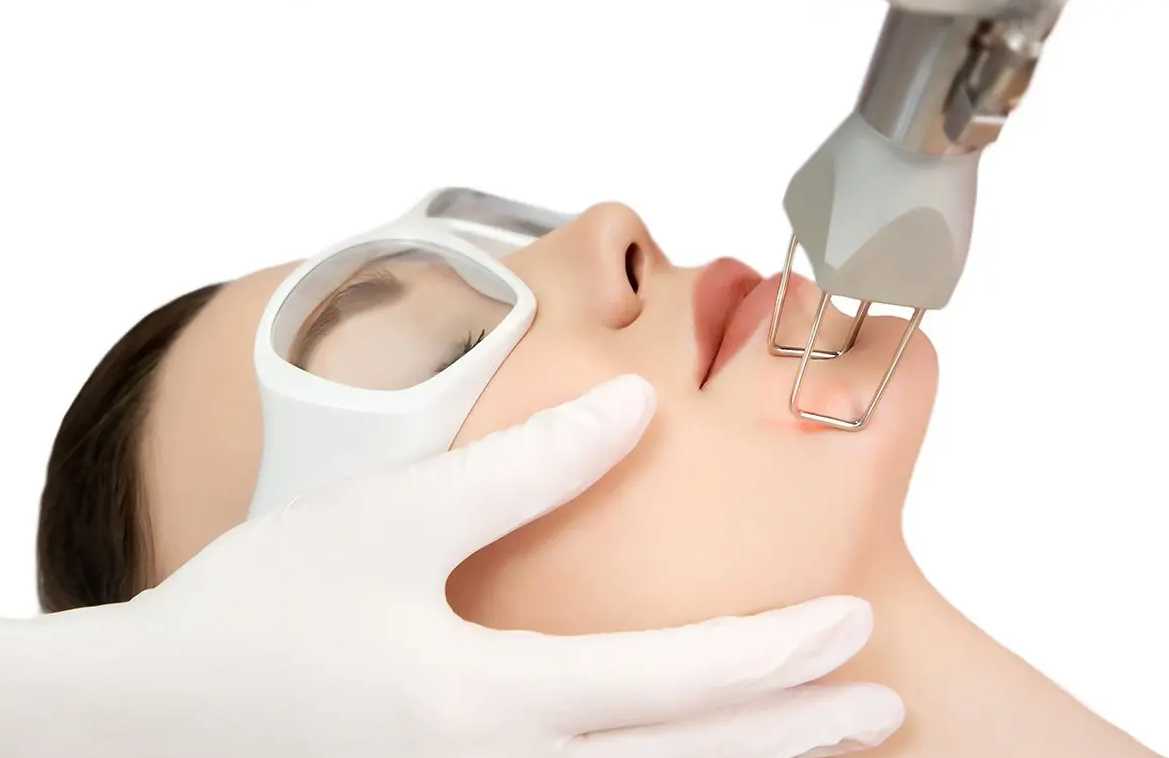
Modern self-care is no longer limited to daily creams and simple beauty routines. Many people now combine regular skincare with professional procedures designed to address specific concerns that topical products may not fully improve. Laser treatment has become a popular part of modern aesthetic care because different laser technologies can target different skin characteristics. Coolaser Clinic provides professional aesthetic treatments for people interested in personalized approaches to skin rejuvenation and cosmetic care.
How Laser Technology Works on the Skin
Laser procedures use concentrated light energy to interact with specific targets in the skin. Depending on the technology, the energy can affect pigmentation, water within the tissue, blood vessels, hair follicles, or selected layers of the skin.
This controlled interaction can produce different cosmetic effects. Some lasers are used to improve the appearance of the skin surface, while others are designed to target pigmentation or unwanted hair.
Because these technologies work differently, the term laser treatment describes a broad category rather than one specific procedure.
Common Reasons People Explore Laser Procedures
Skin can develop a variety of concerns over time. Some are connected with natural aging, while others may result from sun exposure, genetics, previous acne, or other environmental factors.
Depending on the technology, laser procedures may be considered for:
- Uneven skin tone
- Certain types of pigmentation
- Rough or uneven texture
- Fine lines
- Acne-related scars
- Sun-related skin changes
- Redness
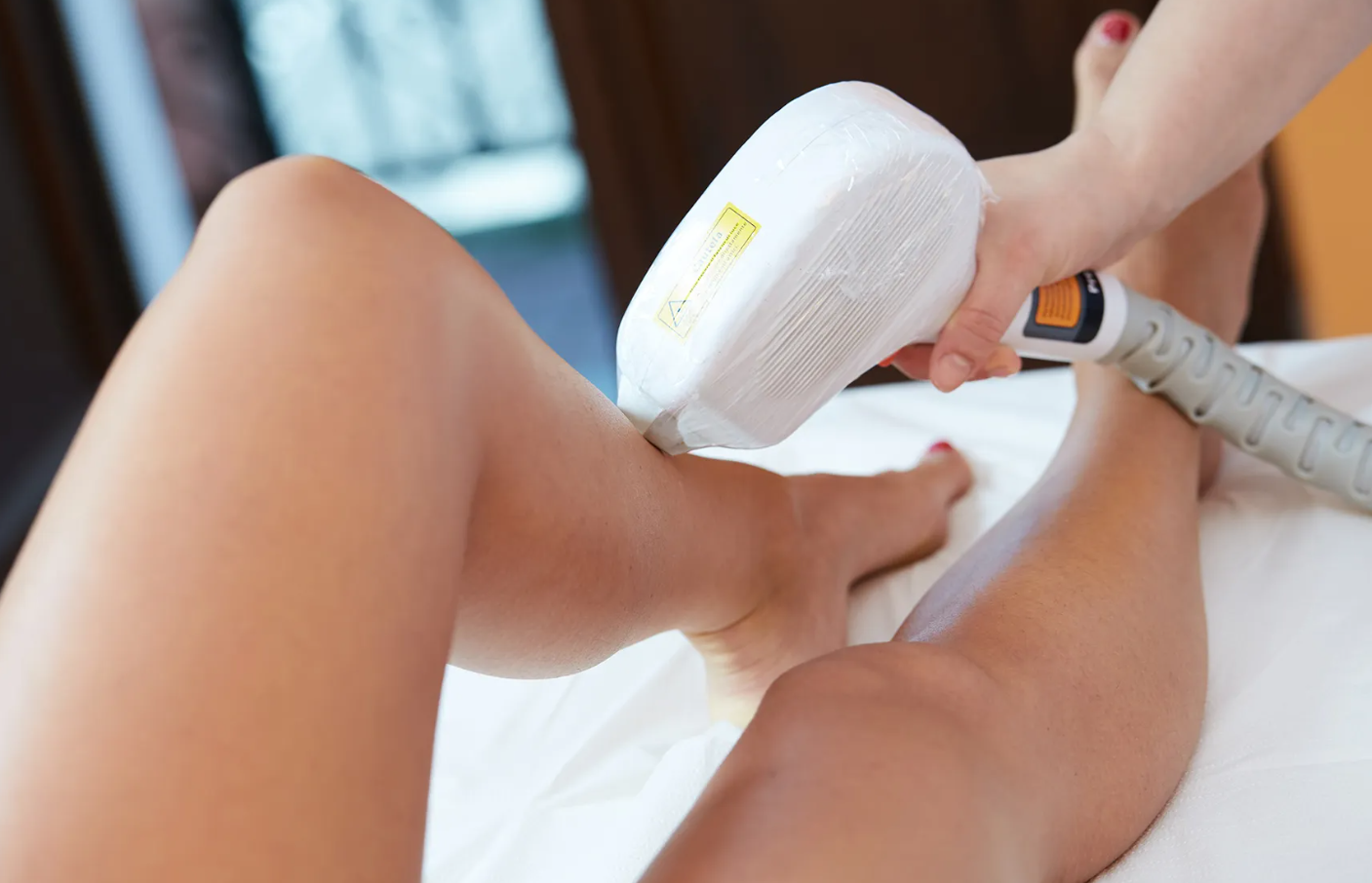
- Unwanted hair
A consultation is important because the same treatment is not necessarily appropriate for every concern.
Laser Resurfacing and Skin Renewal
Laser resurfacing is one of the better-known applications of laser technology in aesthetic care. It is designed to create controlled changes in targeted layers of the skin.
As the skin heals, the natural renewal process can improve the appearance of texture and certain signs of aging. The intensity of resurfacing can vary significantly.
Some procedures are relatively gentle and involve limited recovery, while more intensive resurfacing can require a longer period of healing. The appropriate level depends on the individual’s skin and treatment goals.
Skin Texture and Visible Aging
Fine lines and uneven texture can become more noticeable as collagen production and skin elasticity naturally change with age.
Certain laser procedures are designed to stimulate a controlled healing response within the skin. This may support changes in skin texture and overall appearance over time.
However, results depend on many factors, including the selected technology, treatment settings, skin condition, and individual healing response.
Professional assessment helps determine whether laser technology is appropriate for the concern being treated.
What to Expect During Treatment
The experience can differ depending on the type of procedure.
Before treatment, the skin is usually prepared according to the specific protocol. Some procedures may involve a topical numbing product or another method of improving comfort.
During the procedure, the patient may feel warmth, tingling, or short periods of discomfort. The length of the appointment depends on the size of the treatment area and the technology being used.
Afterward, the skin may appear temporarily red or feel sensitive. More intensive procedures can produce additional swelling, peeling, or other temporary changes.
Recovery Depends on the Procedure
One of the most important things to understand about laser treatment is that recovery is not the same for every procedure.
A gentle treatment may involve little visible downtime. More intensive resurfacing can require several days or longer for the skin to recover.
During this period, patients may need to avoid certain skincare products, intense exercise, direct sunlight, or other activities according to professional instructions.
Following aftercare recommendations is an important part of the overall treatment process.
The Role of Sun Protection
Sun exposure has a major influence on the long-term appearance of the skin. Ultraviolet radiation can contribute to pigmentation, uneven tone, and visible signs of premature aging.
Sun protection is particularly important after many laser procedures because the treated skin may be more sensitive.
Using an appropriate sunscreen and limiting unnecessary direct sun exposure can support the skin during recovery and help maintain its appearance over time.
Why Skin Type Matters
Different skin types can respond differently to laser energy. Factors such as pigmentation, sensitivity, previous tanning, and current skin condition can influence the choice of treatment.
For this reason, professional assessment should take place before a procedure. A specialist can determine whether a particular laser is appropriate and adjust the treatment approach to the individual’s needs.
Patients should also provide information about medications, existing skin conditions, previous procedures, and their current skincare routine.
How Often Should Treatments Be Performed?
The recommended schedule depends on the specific laser procedure and the condition being treated.
Some treatments may produce noticeable changes after one session, while others are commonly performed as a series. The skin also needs sufficient time to recover between procedures.
More treatments do not automatically mean better results. Following an appropriate schedule allows the skin to heal and gives the professional an opportunity to evaluate the response before another session.
Combining Professional Treatments With Daily Care
Laser procedures work best as part of a broader approach to skin care rather than as a replacement for everyday habits.
A simple routine can include gentle cleansing, moisturization, sun protection, and products selected according to individual skin needs.
Professional treatments can address specific concerns, while consistent daily care supports the overall condition of the skin.
This combination can make aesthetic care more sustainable and help people focus on long-term skin health rather than quick cosmetic changes.
Making an Informed Choice
Anyone considering laser procedures should focus on understanding the specific technology being recommended rather than choosing a treatment based only on the word “laser.”
Useful questions include:
- What skin concern is being treated?
- Which laser technology will be used?
- How should the skin be prepared?
- What recovery can be expected?
- How many sessions may be recommended?
- What aftercare will be necessary?
- What potential side effects should be considered?
A professional consultation provides an opportunity to discuss these questions and establish realistic expectations.
Final Thoughts
Laser treatment offers a range of possibilities within modern aesthetic skincare. Different technologies can target concerns such as pigmentation, uneven texture, fine lines, unwanted hair, and other visible skin changes.
Because every person’s skin is different, treatment should be selected according to individual characteristics and goals. Professional assessment, realistic expectations, appropriate aftercare, and consistent daily skincare all play an important role in the overall experience.