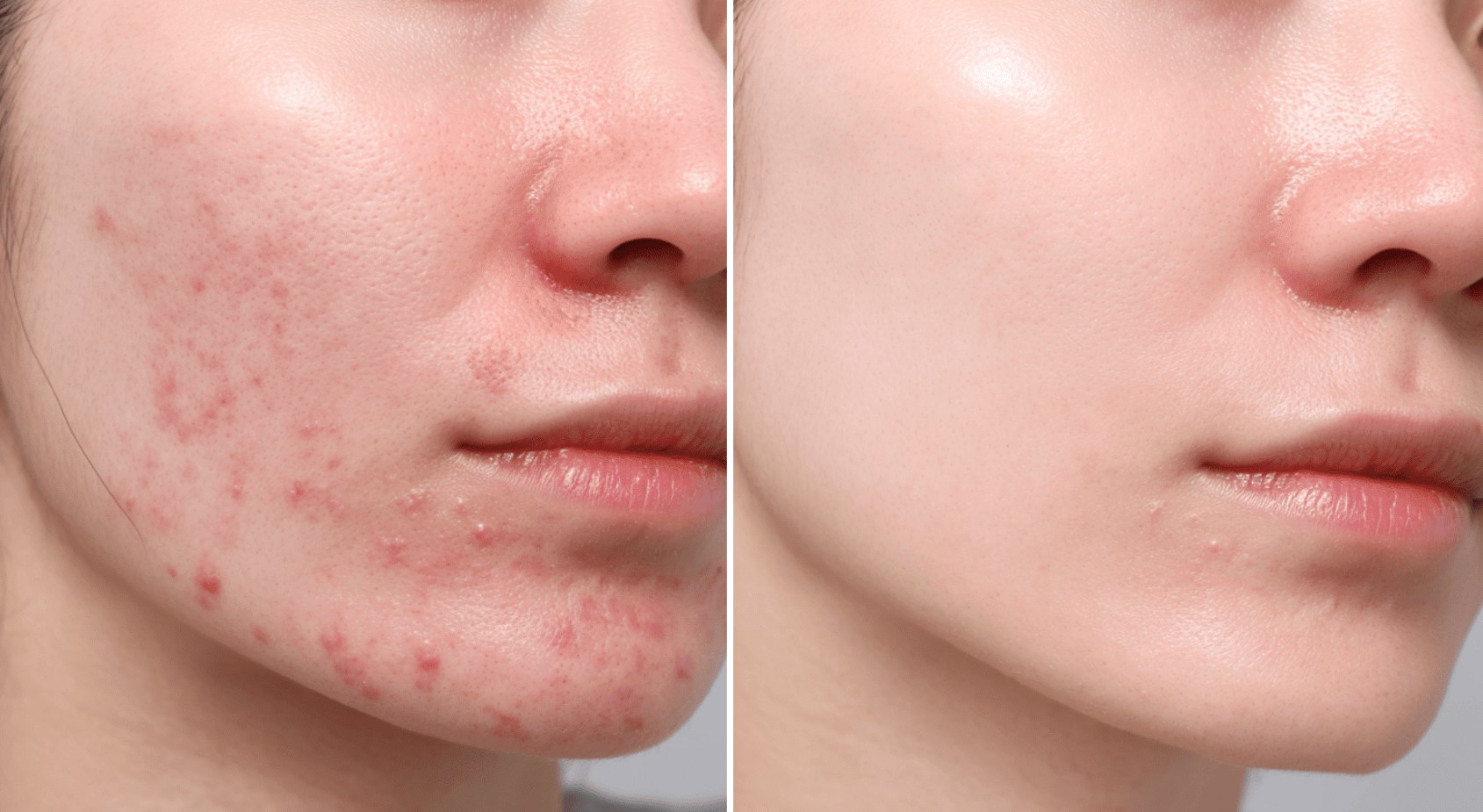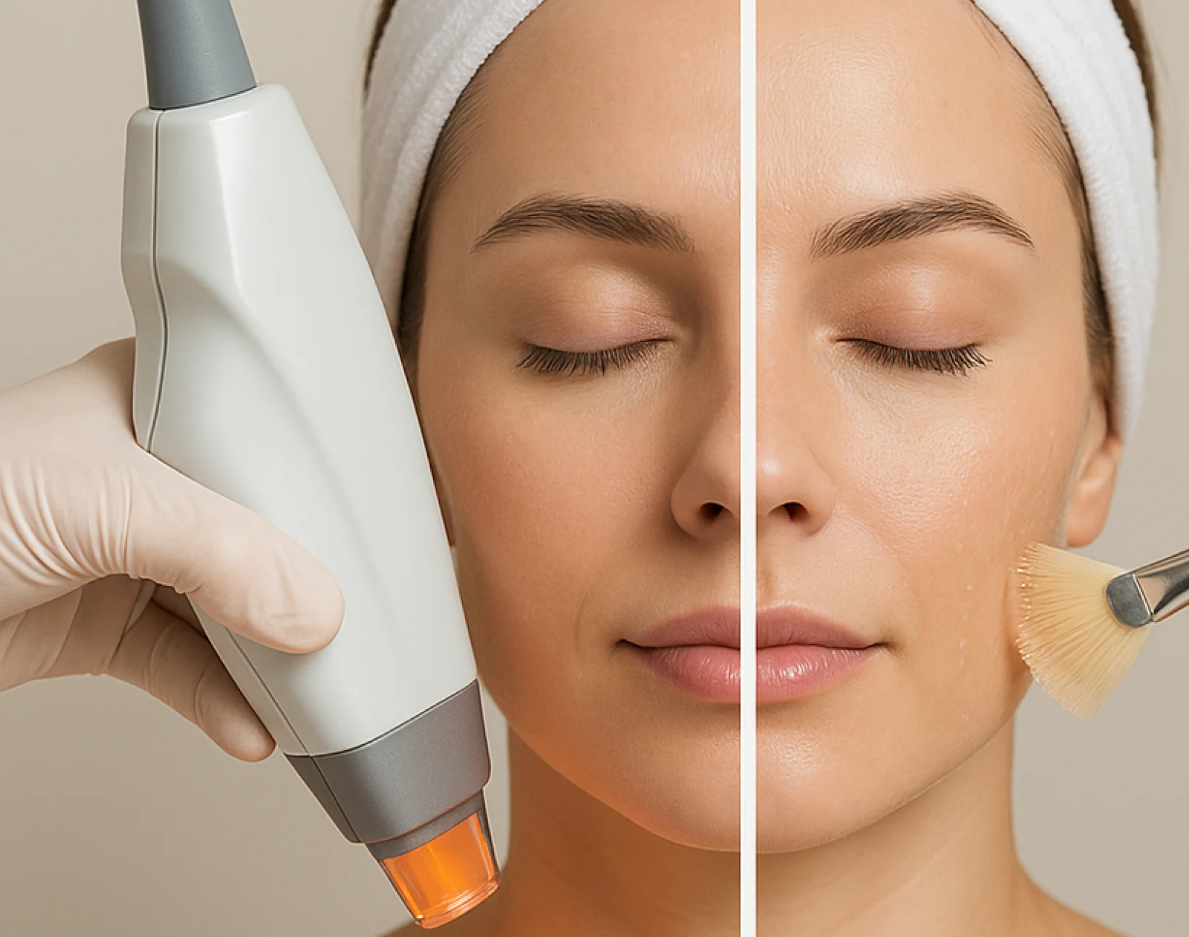
Laser facial resurfacing is a modern skincare solution for those looking to refresh their complexion without invasive surgery. Laser facial resurfacing targets damaged skin layers and promotes natural collagen production to restore smoothness and brightness. You can also reach out here for a consultation to find out if laser facial resurfacing is ideal for your skin type. Many individuals choose this procedure to address early signs of aging, uneven tone, or minor scarring, achieving a healthier and more radiant appearance over time.
How the Procedure Works
Laser facial resurfacing uses precise light energy to remove or remodel skin at controlled depths. This stimulates natural healing processes, encouraging collagen growth and cellular turnover.
Types of laser technology commonly used:
- Ablative lasers – remove thin outer layers, effective for wrinkles and scars
- Non-ablative lasers – work below the surface, minimal downtime
- Fractional lasers – treat targeted sections while preserving surrounding tissue
Clinics select the most suitable approach depending on skin type, desired results, and recovery tolerance.
Common Skin Concerns Treated
This treatment addresses multiple aesthetic issues, including:
- Fine lines and wrinkles around eyes and mouth
- Sun damage and pigmentation irregularities
- Acne scars or post-inflammatory marks
- Rough or uneven texture
By treating these concerns at the structural level, laser resurfacing provides more noticeable and long-lasting improvement than topical creams alone.
What to Expect During Treatment
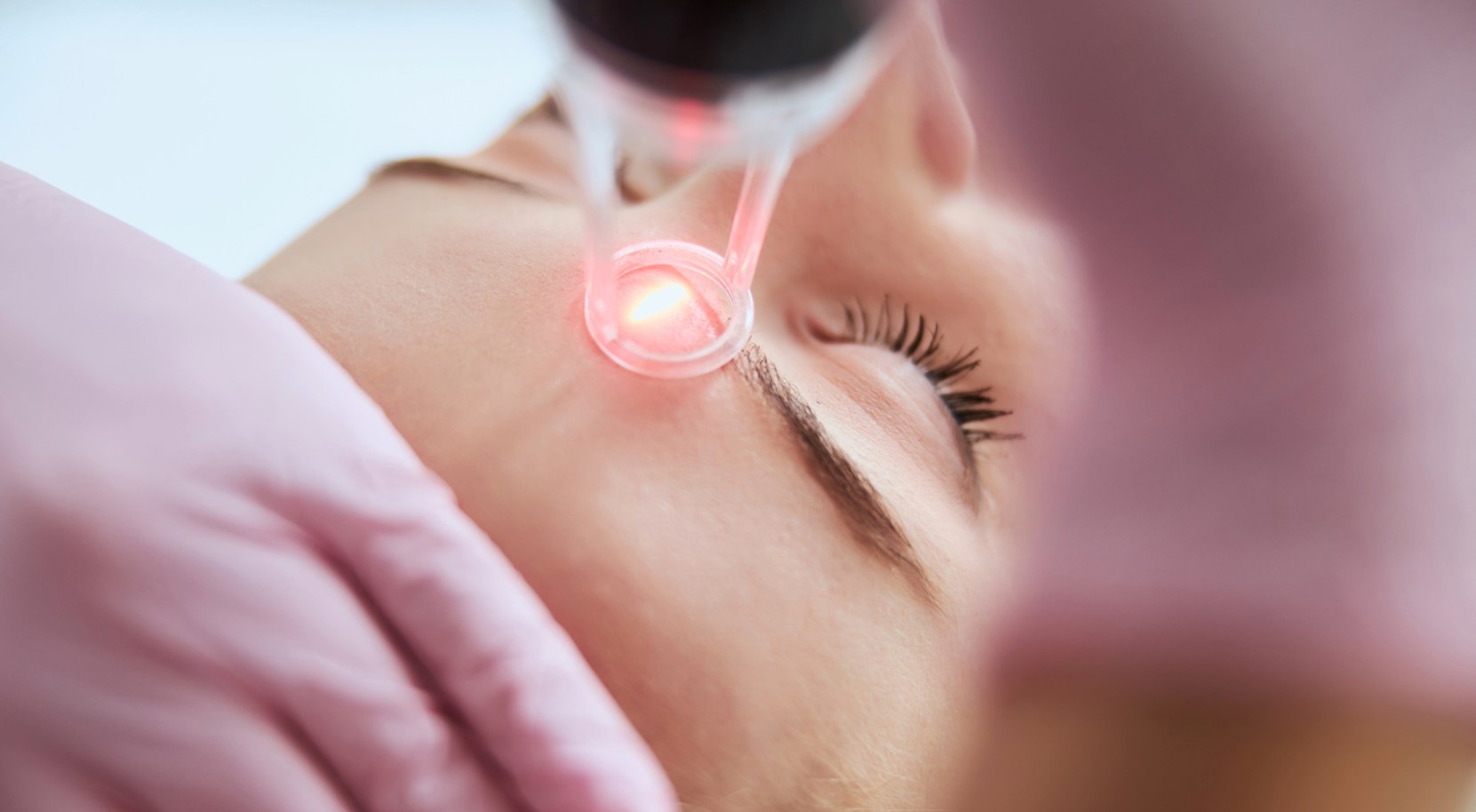
The procedure is typically performed in a clinic under professional supervision. The skin is cleaned, and a topical anesthetic is applied for comfort. Patients may feel mild warmth or tingling.
Treatment duration varies by area and laser type, from 20 minutes for a focused session to an hour for full-face resurfacing. Redness and slight swelling are normal immediately after the procedure and usually subside within a few days.
Post-Treatment Care and Recovery
After laser resurfacing, proper care ensures optimal healing and results:
- Use gentle cleansers and moisturizers
- Avoid sun exposure; apply high SPF sunscreen daily
- Refrain from harsh exfoliants or active skincare products for the recommended period
- Follow all clinic-specific instructions for ointments or cooling treatments
Non-ablative and fractional lasers often allow faster return to daily activities, while ablative treatments may require longer recovery.
Benefits of Laser Facial Resurfacing
Laser resurfacing offers several advantages:
- Smoother, more even skin texture
- Reduced visibility of fine lines, wrinkles, and minor scars
- Promotes collagen for long-term skin firmness
- Gradual, natural-looking results without surgery
This combination of results and convenience makes it a popular option for those seeking effective skin rejuvenation.
Safety and Considerations
While generally safe, laser facial resurfacing is not suitable for all patients. Individuals with active infections, certain skin conditions, or specific skin tones may need alternative approaches or customized settings.
A professional assessment ensures the procedure is safe, minimizing risks like prolonged redness or pigment changes.
Long-Term Results and Maintenance
Results develop over several weeks as the skin regenerates. Improved texture, tone, and radiance can last for months or years depending on aging, lifestyle, and skincare routines.
Maintenance treatments, combined with daily sun protection and hydration, help preserve outcomes. Patients who follow recommendations enjoy consistent, long-lasting improvements in skin quality.
Choosing Laser Facial Resurfacing
Laser resurfacing is ideal for individuals aiming for skin refinement, gentle rejuvenation, and enhanced glow without surgery. When selected based on skin type and performed professionally, it provides controlled, predictable results and helps patients maintain a fresh, healthy appearance over time.